Umbilical venous catheter care and complications reviewed

Umbilical venous catheter (UVC) insertion is frequently performed in critically ill neonates… In this study, newborns that have undergone UVC and developed complications were evaluated” Mutlu et al (2015). Abstract: OBJECTIVE: Umbilical venous catheter (UVC) insertion is frequently performed in critically ill neonates. Various mild or serious complications of umbilical venous catheterization can be observed […]
Ultrasound guided peripheral intravenous cannulation reviewed

Ultrasonographic peripheral intravenous cannulation is advantageous among patients with difficult or moderately difficult intravenous access but is disadvantageous among patients anticipated to have easy access” McCarthy et al (2015). Abstract: Study objective: Randomized controlled trials report inconsistent findings when comparing the initial success rate of peripheral intravenous cannulation using landmark versus ultrasonography for patients with […]
Alternatives to CLABSI diagnosis should be considered

To determine the impact of mucosal barrier injury laboratory-confirmed bloodstream infections (MBI-LCBIs) on central-line-associated bloodstream infection (CLABSI) rates during the first year of MBI-LCBI reporting to the National Healthcare Safety Network (NHSN)” Epstein et al (2015). Abstract: OBJECTIVES: To determine the impact of mucosal barrier injury laboratory-confirmed bloodstream infections (MBI-LCBIs) on central-line-associated bloodstream infection (CLABSI) […]
Intravenous iron therapy for pediatric patients

Intravenous (IV) iron is an infrequently used therapeutic option in children with IDA despite numerous studies in adults and several small but notable pediatric studies showing efficacy and safety” Mantadakis (2015). Abstract: Iron deficiency anemia (IDA) continues to be very common worldwide. Intravenous (IV) iron is an infrequently used therapeutic option in children with IDA […]
Methods used to determine fluid responsiveness

Accurate assessment of intravascular fluid status and measurement of fluid responsiveness have become increasingly important in peri-operative medicine and critical care” Ansari et al (2015). Summary: Accurate assessment of intravascular fluid status and measurement of fluid responsiveness have become increasingly important in peri-operative medicine and critical care. The objectives of this systematic review and narrative […]
Review of permanent vascular access for haemodialysis
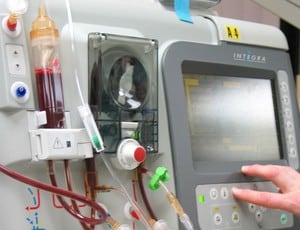
The presence of a permanent vascular access (PVA) is the pledge of successful treatment of patients being on chronic haemodialysis (CD)” Manafov et al (2015). Abstract: The presence of a permanent vascular access (PVA) is the pledge of successful treatment of patients being on chronic haemodialysis (CD). Creation and maintenance of a functioning PVA is […]
NICU bloodstream infections related to central venous catheters

The education of medical interns on infection control, a relatively low-cost intervention, resulted in a substantial reduction in the incidence of PICU-acquired BSIs” Ng et al (2015). Abstract: INTRODUCTION: The present study aimed to determine the impact of an extended infection control training programme, which was conducted for all interns posted to the Department of […]
Comparison of commercially available and homemade clinical skills trainers

…physicians and trainees participated in a day long procedural training course that utilized commercially available and homemade task trainers to teach pericardiocentesis, chest tube insertion, cricothyroidotomy and central line insertion” Shefrin et al (2015). Abstract: BACKGROUND: Pediatric emergency medicine (PEM) physicians have minimal experience in life saving procedures and have turned to task trainers to […]
Description of intravenous catheter fixation device

It is supposed to reduce the risk of infection and stacking of the anatomical site where cutaneous puncture with fixation of peripheral, central or arterial catheters is performed” Soriano (2015) et al. Abstract: INTRODUCTION: skin fixing devices in peripheral, central or arterial catheters have several important drawbacks: site infection, stacking of material in the anatomical […]
Radiological review of the superior vena cava

Knowledge of the basic embryology and anatomy of the SVC and techniques for CT, MR imaging, and conventional venography are pivotal to accurate diagnosis and clinical decision making” Sonavane et al (2015). Abstract: The superior vena cava (SVC) is the largest central systemic vein in the mediastinum. Imaging (ie, radiography, computed tomography [CT], magnetic resonance […]
Double tunnel technique prevents vascular access device dislodgement

A new surgical technique for placement of a tunnelled central venous catheter was developed in an attempt to reduce the number of displacements. This involved the creation of a second tunnel at a 90° angle to the original retrograde tunnelled path” Jenkins et al (2015). Abstract: PURPOSE: Vascular access has been described in the literature […]
Reducing intermittent infusion syringe pump errors

Much of the published literature related to smart infusion pumps and safety alerts is focused on continuous medication infusions, with little available information related to their use with intermittent infusions” Bloomquist and Seiberlich (2015). Abstract: Historically, smart infusion pumps with dose error reduction software were implemented to improve safety associated with programming of continuous infusion […]
Reducing CLABSI rates using simulation-based training

A targeted educational intervention using a simulated central line care model improved competence in central line care and resulted in decreased CLABSI rates for inpatient oncology patients” Page et al (2015). Abstract: PURPOSE: Patients with cancer may be more vulnerable to infection because of impaired immune competence as a result of their disease or chemotherapy-induced […]
Inadvertent over infusion of NORepinephrine using infusion pump loading dose

This case study presents the first ever report of an inadvertent overinfusion of NORepinephrine due to the loading dose option on the infusion pump, and resulting cardiac arrest of the patient” Ibey et al (2015). Abstract: Programming infusion pumps has been recognised as a high-risk step and a source of adverse events (Nuckols et al., […]
Developing policies for the safe use of infusion devices

Infusion therapy is widely used in hospitals. It is well known that medication errors constitute one of the highest risks to patient safety, leading to numerous adverse events concerning incorrect application of infusion technology” Timmerman et al (2015). Abstract: Infusion therapy is widely used in hospitals. It is well known that medication errors constitute one of […]
What are the risk factors for the development of infusion phlebitis

…to assess nurses’ perceptions of risk factors for the development of phlebitis, with a special focus on the perception of phlebitic potentials of some infusion medications and solutions” Milutinović et al (2015). Abstract: OBJECTIVES: to assess nurses’ perceptions of risk factors for the development of phlebitis, with a special focus on the perception of phlebitic […]
Vascular access choice for neonatal parenteral nutrition

Neonatal parenteral nutrition may be delivered via peripheral cannulas or central venous catheters (umbilical or percutaneous)” Ainsworth and McGuire (2015). Abstract: BACKGROUND: Neonatal parenteral nutrition may be delivered via peripheral cannulas or central venous catheters (umbilical or percutaneous). As the result of complications associated with umbilical catheters, many neonatal units prefer to use percutaneous catheters […]
Intravenous dressing with CHG reduces IV site colonisation

A film dressing incorporating a CHG gel pad significantly reduced the number of microorganisms at the CVC insertion and suture sites with concomitant reduced catheter colonization” Karpanen et al (2015). Abstract: Background: A major source of microbial colonization of short-term central venous catheters (CVC) is the patients’ endogenous skin microorganisms located at the CVC insertion […]
Review of intramuscular injection sites in children

This study was conducted to determine whether the ventrogluteal site could be used for intramuscular injections in children under the age of 3…” Güneş et al (2015). Abstract: Aim: This study was conducted to determine whether the ventrogluteal site could be used for intramuscular injections in children under the age of 3 and to compare […]
The complexities of osmolarity and partitioning of fluids explained

This article first outlines definitions and descriptions of key terms that will be used in the discussions that follow including osmolarity, osmolality, osmotic and oncotic pressure” Waterhouse and Farmery (2015). Abstract: This article first outlines definitions and descriptions of key terms that will be used in the discussions that follow including osmolarity, osmolality, osmotic and oncotic […]
BUZZY for for distraction during IV Insertion

The “BUZZY” may be an easily accessed, inexpensive ($39.95 each at $0.09 per 3 minute stick), and effective technique to control or reduce pain in young children undergoing IV insertion” Moadad et al (2015). Abstract: Background: Needle pricks are rated by children as their most feared medical event resulting in acute pain, anxiety and distress, which […]
Guidelines on reducing pain during vaccine injections

There are many evidence-based treatments to mitigate pain at the time of vaccination; however, most are not routinely used” Taddio et al (2015). Extract: “Pain from vaccine injections is common, and concerns about pain contribute to vaccine hesitancy across the lifespan. Noncompliance with vaccination compromises the individual and community benefits of immunization by contributing to […]
Intravenous potassium dosing algorithm for hypokalemic patients

The intent of this study was to evaluate the safety and efficacy of an intravenous (IV) potassium (K) dosing algorithm for hypokalemic critically ill trauma patients” Johnston et al (2015). Abstract: Purpose: The intent of this study was to evaluate the safety and efficacy of an intravenous (IV) potassium (K) dosing algorithm for hypokalemic critically ill […]
Implementation of a patient transfusion management monitoring system

Patient blood management (PBM) measures have been shown to be effective in reducing transfusions while maintaining patient outcome” Mehra et al (2015). Abstract: BACKGROUND: Patient blood management (PBM) measures have been shown to be effective in reducing transfusions while maintaining patient outcome. The issuance of transfusion guidelines is seen as being key to the success […]
Predicting vasovagal reactions among blood donors

This study examines the combined effect of donor fear and total blood draw time on vasovagal reactions” France et al (2015). Abstract: BACKGROUND: Fear of blood draws is a predictor of vasovagal reaction risk among whole blood donors, and this relationship is particularly evident among less experienced donors. This study examines the combined effect of […]
Intravenous fluid therapy for anaesthetists and intensivists

The prescription of intravenous fluids is common in hospitalized patients and is increasingly recognized as a potential source of harm if administered inappropriately” Plumb and Brown (2015). Abstract: The prescription of intravenous fluids is common in hospitalized patients and is increasingly recognized as a potential source of harm if administered inappropriately. The recently published NICE […]
The role of sharps containers in pathogen transmission

This study assessed the relationship between use of single-use versus reusable sharps containers and rates of Clostridium difficile infections in a national sample of hospitals” Pogorzelska-Maziarz (2015). Abstract: Background: Sharps disposal containers are ubiquitous in health care facilities; however, there is paucity of data on their potential role in pathogen transmission. This study assessed the […]
Buzzy® and J-tip® combination reduces venipuncture pain

Patients receiving either intervention reported lower scores on pain scales during venipuncture or IV start than the no analgesia group” Kearl et al (2015). Abstract: Background: Both the J-tip® (a needle-free device for subcutaneous delivery of lidocaine) and the Buzzy® (a cooled, vibrating device to employ gate control to minimize procedural pain) have shown some […]
Ultrasound guided subclavian vein catheterization

…ultrasonographic guidance increases the success rate and reduces adverse events in subclavian vein catheterization” Kim and Koyfman (2015). Abstract: Compared with the landmark technique, dynamic 2-dimensional (2D) (real-time) ultrasonographic guidance increases the success rate and reduces adverse events in subclavian vein catheterisation. [ctt tweet=”ReTweet if useful… Ultrasound guided subclavian vein catheterisation http://ctt.ec/GHTb5+ @ivteam #ivteam” coverup=”GHTb5″] […]
Impact of novel intravenous lipid emulsions reviewed

The availability and use of new IV lipid emulsions in PN should encourage the clinician to review lipid metabolism based on the quantity of fatty acids provided in specific parenteral lipid emulsions and the expected impact of these lipid emulsions (with quite different fatty acid composition) on measured fatty acid profiles” Gramlich et al (2015). […]