Complication rates associated with peripheral intravenous site rotation

The difference in complication rates for phlebitis and infiltration between peripheral intravenous site rotation based on clinical assessment versus length of time since insertion was evaluated” Helton et al (2016). Abstract: The difference in complication rates for phlebitis and infiltration between peripheral intravenous site rotation based on clinical assessment versus length of time since insertion […]
Intravenous ertapenem-induced hallucinations and delirium

To report a case of ertapenem-induced hallucinations and delirium in an elderly, morbidly obese patient” Veillette and Van Epps (2016). Abstract: OBJECTIVE: To report a case of ertapenem-induced hallucinations and delirium in an elderly, morbidly obese patient. [ctt tweet=”ReTweet if useful… Intravenous ertapenem-induced hallucinations and delirium http://ctt.ec/A06b1+ @ivteam #ivteam” coverup=”A06b1″] SETTING/PRACTICE DESCRIPTION: A 71-year-old male […]
Storage of red cells and implications for transfusion reactions

RBCs transfused in the last 7 days of their 42-day storage limit may be associated with adverse clinical outcomes in high-risk patients” Goel et al (2016). Abstract: BACKGROUND: Clinical trials have shown that longer red blood cell (RBC) storage duration does not worsen outcomes; however, these studies included few RBCs near the end of the […]
Comparing 2% chlorhexidine gluconate in alcohol with other CHG solutions

There is a lack of trial evidence directly comparing 2% chlorhexidine gluconate (CHG) in alcohol with other CHG solutions for the prevention of central venous catheter–related infections in hemodialysis patients” McCann et al (2016). Abstract: A pilot randomized trial in 3 Irish outpatient hemodialysis units compared 2% chlorhexidine gluconate (CHG) in 70% isopropyl alcohol with routinely […]
Improving staff engagement with infection prevention standards

This article highlights how IPC practitioners’ skills and competencies are required for preventing infection and improving staff engagement” Aziz (2016). Abstract: Every healthcare worker plays a vital part in minimising the risk of cross infection. Infection prevention and control (IPC) practitioners have the skills and competencies to assist organisations in improving engagement among staff and […]
Sepsis e-learning package developed in a UK teaching hospital

This article describes the collaborative development and implementation of an interactive online learning package to understand the key role nurses have in recognising and then starting to apply the Sepsis Six care bundle in clinical practice” Davis et al (2016). Abstract: Severe sepsis is a major cause of morbidity and mortality in the UK. This […]
Central line insertion bundle compliance in a real-world setting

To describe compliance with the central line (CL) insertion bundle overall and with individual bundle elements in US adult intensive care units (ICUs) and to determine the relationship between bundle compliance and central line-associated bloodstream infection (CLABSI) rates” Furuya et al (2016). Abstract: OBJECTIVES: To describe compliance with the central line (CL) insertion bundle overall […]
PICC line complication rates among preterm infants

To examine whether there is an association between peripherally inserted central venous catheter (PICC) insertion site and complication rates among preterm infants” Bashir et al (2016). Abstract: Objective: To examine whether there is an association between peripherally inserted central venous catheter (PICC) insertion site and complication rates among preterm infants. [ctt tweet=”ReTweet if useful… PICC line […]
PICC lines assist nutritional intake and growth in neonates

This study demonstrates superior nutrient intake and growth in the first two weeks of life for infants who received nutrition via PICC line” Smazal et al (2016). Abstract: BACKGROUND: While very preterm (<32 weeks gestation) infants are routinely provided intensive nutritional support via central line, clinical practice varies for nutrient delivery in infants born moderately […]
Fractured silicone PICC removal leads to nerve injury

This is a case review of a cancer patient with fractured PICC and the postoperative symptoms leading to nerve injury” Mou et al (2016). Abstract: PURPOSE: To increase awareness of peripherally inserted central catheter (PICC) fracture and necessary nursing assessment to identify development of nerve injury after removal of the PICC fracture. [ctt tweet=”ReTweet if […]
Wearable ultrasound array for PICC line placement

The ability to view needle insertion for peripherally inserted central catheter (PICC) procedures was also demonstrated. Opportunities for wearable ultrasound devices include point-of-care imaging, combat casualty care, ultrasound therapy, patient monitoring, and personal health” Mierzwa et al (2016). Abstract: A versatile, flexible piezoceramic array has been developed for a variety of ultrasound applications. The transducer […]
Central venous catheter management in severely burned patients

This is a single-center, descriptive report of the management and complications of venous catheter use in 19 severely burned passengers from a bus fire that occurred on July 5, 2014, in Hangzhou” Jiang et al (2016). Abstract: PURPOSE: This is a single-center, descriptive report of the management and complications of venous catheter use in 19 […]
Do plastic blood gas syringes over estimate SvO2 levels

This is the first report documenting that plastic blood gas syringes systematically over-estimate SvO2 levels when there is a delay in analysis or continuous mixing of the sample” Ghanpur et al (2016). Abstract: OBJECTIVES: Measurement of central venous oxygen (SvO2) levels remains an important method for the detection of circulatory shock. Plastic blood gas syringes […]
Ultrasound guided central venous catheter placement in pediatric patients

Literature regarding US-guided CVC placement in children remains limited and conflicting. This meta-analysis examines the efficacy and safety of US-guided CVC placement among pediatric patients” Lau and Chamberlain (2016). Abstract: BACKGROUND: Real-time ultrasound (US) guidance for central venous catheter (CVC) insertion has been shown to increase cannulation success rates and reduce complications in adults. Literature […]
Basic medical procedural skills that third-year medical students should acquire

The study identified the procedures that should be taught and practiced by students. It also highlighted the discrepancies in the existing curriculum and the need to monitor and supervise students’ practice” Konje et al (2016). Abstract: BACKGROUND: Clinical training in most medical schools, including the Catholic University of Health and Allied Sciences (CUHAS), is offered […]
Intraosseous access complication rates reviewed in this publication

We report a case of vasopressor extravasation and threatened limb perfusion related to intraosseous access use and our management of the complication. We further report our subsequent systematic review of intraosseous access in the adult population” Greenstein et al (2016). Abstract: OBJECTIVE: Current guidelines recommend the use of intraosseous access when IV access is not […]
Valved PICC catheter issued with a field safety notice

Kimal has issued a field safety notice recalling specific lot number of PICC catheters containing a valve manufactured pre 15 July 2014” NHS Supply Chain (2016). Kimal has issued a field safety notice recalling specific lot number of PICC catheters containing a valve manufactured pre 15 July 2014. Use of the affected catheters could result […]
Manganese supplementation for long-term home parenteral nutrition patients

Manganese (Mn) toxicity is often observed in adult patients receiving long-term home parenteral nutrition (HPN), and differing recommendations on the safe level of Mn administration to these patients have been made in the literature over the past 10 years” Baker et al (2016). Abstract: Introduction: Manganese (Mn) toxicity is often observed in adult patients receiving […]
Is venipuncture haemolysis influenced by the use of alcohol skin wipes

The study concludes that avoidance to wipe alcohol before venipuncture does not lead to sample haemolysis or sample dilution” Sarmah et al (2016). Abstract: INTRODUCTION: Sample haemolysis is often the leading cause of sample rejections in clinical laboratory. Isopropyl alcohol or ethyl alcohol, used as disinfectant during sample collection is often considered an important cause […]
Venipuncture pain intensity in neonatal intensive care units

To describe venipuncture frequency, its pain intensity, and the analgesic approach in ICU newborns; to determine the factors associated with the lack of preprocedural analgesia and with a high pain score during venipuncture” Courtois et al (2016). Abstract: BACKGROUND: Newborns in intensive care units (ICUs) undergo numerous painful procedures including venipunctures. Skin-breaking procedures have been […]
Central venous catheter infection-related glomerulonephritis

We encountered two patients under long-term parenteral nutrition who developed glomerulonephritis associated with central venous catheter infection” Okada et al (2016). Abstract: BACKGROUND: Advances in long-term parenteral nutrition via indwelling central venous catheter have improved the quality of life and mortality in patients with life-threatening gastrointestinal diseases complicated with severely impaired absorption. However, infection to […]
Pharmacokinetics of Dexmedetomidine infusion in Chinese children

Although the pharmacokinetics of dexmedetomidine have been studied in pediatric patients, there are no data for Chinese children available” Liu et al (2016). Abstract: BACKGROUND AND OBJECTIVE: Dexmedetomidine is a highly selective alpha2-adrenoceptor agonist with sedative and analgesic properties which is also used in pediatric anesthesia. Although the pharmacokinetics of dexmedetomidine have been studied in […]
Central venous haemodialysis catheter-related malfunction and CLABSI

The relative net benefit of anticoagulant therapies for prevention of catheter malfunction remains uncertain” Wang et al (2016). Abstract: BACKGROUND: Catheter malfunction, including thrombosis, is associated with reduced dialysis adequacy, as well as an increased risk of catheter-related bacteraemia and mortality. The role of anticoagulants in the prevention of catheter malfunction remains uncertain. [ctt tweet=”ReTweet […]
How to diagnoses CRBSI in hemodialysis patients

In patients on HD, blood culture results are the most sensitive, specific, and accurate for diagnosing CRBSIs when taken from the HD circuit and the venous catheter hub, and blood culture results are the least sensitive, specific, and accurate in any combination with peripheral vein cultures” Quittnat Pelletier et al (2016). Abstract: BACKGROUND AND OBJECTIVES: […]
Review of phlebotomy practice standards in Kenya

However, poorly performed phlebotomy can compromise patient safety, healthcare worker (HCW) safety, and specimen quality” Kimani et al (2016). Abstract: BACKGROUND: Phlebotomy, a commonly performed medical procedure in healthcare, is essential for disease diagnosis and patient management. However, poorly performed phlebotomy can compromise patient safety, healthcare worker (HCW) safety, and specimen quality. We carried out […]
Needlestick reporting behavior and postexposure prophylaxis

This study assessed reporting behavior and satisfaction with postexposure prophylaxis (PEP) systems among health care workers (HCWs) at risk for occupational bloodborne pathogen exposure (BPE) in 3 public hospitals in Botswana” Kassa et al (2016). Abstract: Background: This study assessed reporting behavior and satisfaction with postexposure prophylaxis (PEP) systems among health care workers (HCWs) at […]
How effective is automated hand hygiene surveillance

Automated surveillance collects 4 times the amount of data on each ward per day than a human auditor usually collects for a quarterly compliance report” Azim et al (2016). Abstract: Background: Human auditing and collating hand hygiene compliance data take hundreds of hours. We report on 24/7 overt observations to establish adjusted average daily hand […]
Impact of Ascorbylperoxide contaminating parenteral nutrition

Ascorbylperoxide (AscOOH) is a hydrogen peroxide–dependent by-product of ascorbic acid that contaminates parenteral nutrition” Mohamed et al (2016). Abstract: Background: Ascorbylperoxide (AscOOH) is a hydrogen peroxide–dependent by-product of ascorbic acid that contaminates parenteral nutrition. In a guinea pig model, it caused oxidized redox potential, increased apoptosis, and decreased alveolarization. AscOOH detoxification is carried out by […]
Study of hand hygiene opportunities and compliance

Nurses have 3 times more HHOs than physicians, yet nurses have 1.5 times higher compliance than physicians” Azim et al (2016). Abstract: Background: To understand whether the burden of hand hygiene contributes to poor compliance we measured the daily number of hand hygiene opportunities (HHOs) by shift for nurses and physicians in 2 wards in […]
Are chest radiographs required following US guided right internal jugular vein catheterization
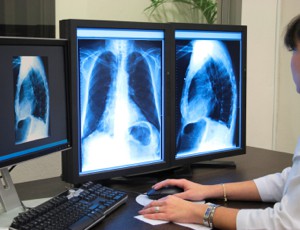
Routine chest radiograph after this common procedure is an unnecessary use of resources and may delay resuscitation of critically ill patients” Hourmozdi et al (2016). Abstract: OBJECTIVES: Central venous catheter placement is a common procedure performed on critically ill patients. Routine postprocedure chest radiographs are considered standard practice. We hypothesize that the rate of clinically […]