
Should Peripherally Inserted Central Catheter lines be placed in the intensive care unit?

We performed a retrospective review of all PICCs placed in the inpatient setting at our institution during a 1-year period from January 2013 to December 2013. These were divided into two groups: those placed at the bedside in the ICU and those placed by interventional radiology in non-ICU patients” Martyak et al (2017). Abstract: Peripherally […]
Care of skin lesions caused by extravasation of intravenous fluids

Infiltration and extravasation account for 23-78 % of the complications stemming from peripheral venous perfusions in neonatal intensive care units” Ly (2017). Abstract: INTRODUCTION: Infiltration and extravasation account for 23-78 % of the complications stemming from peripheral venous perfusions in neonatal intensive care units. Their consequences, sometimes dramatic, can be pain, infections, or even loss […]
Antibacterial effect of action of a topical surgical adhesive

As an antibacterial agent, the risk of nosocomial infection is greatly diminished, and an uneventful clinical result is facilitated. Bacterial growth cannot occur in the formulation and on contact death rapidly ensues as cellular water diffuses from the cell into the product” Prince et al (2017). Abstract: Background: Medical adhesives effectively hold closed approximated skin […]
Risk factors for totally implantable venous access device-associated complications

This study aims to investigate the incidence and risk factors for the development of TIVAD-associated candidaemia and to assess the rate of TIVAD-related complications in CF patients” McCarthy et al (2017). Abstract: BACKGROUND: Candidaemia is an important nosocomial infection, seen frequently in immunocompromised and critically ill patients and increasingly recognised in cystic fibrosis (CF) patients […]
Effectiveness of a ‘Do not interrupt’ bundle during medication administration

To evaluate the effectiveness of a ‘Do not interrupt’ bundled intervention to reduce non-medication-related interruptions to nurses during medication administration” Westbrook et al (2017). Abstract: Aim: To evaluate the effectiveness of a ‘Do not interrupt’ bundled intervention to reduce non-medication-related interruptions to nurses during medication administration. Methods: A parallel eight cluster randomised controlled study was […]
Unintended safety threats associated with the introduction of hospital ePrescribing systems

Imperfections in the design, implementation and use of ePrescribing systems can give rise to unintended consequences, including safety threats” Mozaffar et al (2017). Abstract: Objective: Hospital electronic prescribing (ePrescribing) systems offer a wide range of patient safety benefits. Like other hospital health information technology interventions, however, they may also introduce new areas of risk. Despite […]
The mindset approach to preparing trainees for medical error

Doctors have been found to experience guilt, shame, fear, humiliation, loss of confidence, deep concerns about their professional skills and social isolation, effectively becoming the second victim of an error” Klein et al (2017). Introduction: As medical students transition to become trainee doctors, they must confront the potential for making medical errors. In the high […]
Central venous stenosis due to indwelling devices

To evaluate central venous stenosis (CVS) etiologies and presentation within a vascular surgery practice. We evaluated endovascular treatment modalities and the patency rates of our interventions” Rangel et al (2017). Abstract: OBJECTIVE: To evaluate central venous stenosis (CVS) etiologies and presentation within a vascular surgery practice. We evaluated endovascular treatment modalities and the patency rates […]
Comparison of children’s association with venipuncture fear and pain

The purpose of this study was to compare children’s self-reported pain and fear related to IV insertion with administration of either the topical local anesthetic EMLA® or 1% buffered lidocaine delivered with the J-Tip Needleless Injection System® (J-Tip®)” Stoltz and Manworren (2017). Abstract: Purpose: Needle procedures, like venipuncture and intravenous (IV) catheter insertion, are recognized […]
Free download: New understandings in IV filtration relevant to patient care

Filtration of intravenous (IV) infusions is an old topic that has been forgotten for almost a decade, but it is now being discussed again and there is more interest than ever in the world of venous access devices” Pittiruti (2016). Filtration of intravenous (IV) infusions is an old topic that has been forgotten for almost […]
Controlling CRBSI through a multicentre educational programme

To investigate whether an educational program addressed at healthcare workers resulted in a significant change in the level and trend of infections” Musu et al (2017). Abstract: Background: Bloodstream infections (BSIs) associated with insertion and maintenance of central venous catheters (CR-BSIs) are the most common causes of health care-associated infections in intensive care units (ICUs). […]
The impact of heparin on peripheral venous catheters?

In conclusion, the use of heparin as continuous infusion in peripheral intravenous catheters improved the duration of patency, reduced infusion failure and phlebitis, whereas heparin as intermittent flushing showed more benefits in ameliorating phlebitis rather than in patency profiles” You et al (2017). Abstract: Heparin has typically been used as a flushing or infusion solution […]
Preventing malposition of central venous catheters with ultrasound
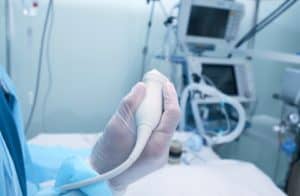
We used linear USG probe to check malposition of guidewire and microconvex probe to confirm position of central venous catheter” Midha et al (2017). Abstract: Ultrasound (USG) guidance has long been used for guiding central venous catheterization. USG provides direct visualization of needle puncture through the skin into the vein. Most of the time USG […]
A model to predict CLABSI among patients with Peripherally Inserted Central Catheters

To operationalize or prioritize CLABSI risk factors when making decisions regarding the use of PICCs using a risk model to estimate an individual’s risk of PICC-CLABSI prior to device placement” Herc et al (2017). Abstract: BACKGROUND: Peripherally inserted central catheters (PICCs) are associated with central-line-associated bloodstream infections (CLABSIs). However, no tools to predict risk of […]
Formulae to guide umbilical arterial catheter tip placement in newborn infants

Success rates for accurate UAC placement are highest when formulae that involve body measurements are used” Lean et al (2017). Abstract BACKGROUND: Umbilical arterial catheter (UAC) insertion is a common procedure in the neonatal intensive care unit (NICU). Correct placement of the tip of the UAC at first attempt minimises handling of the infant and […]
Case study describes misplaced subclavian central venous catheter

This is a case report of a patient on whom a third attempt of re-inserting a CVC for fluid and total parenteral nutrition (TPN) was made. X-ray showed that left Subclavian inserted catheter was mis-directed to internal jugular vein of the same side creating discomfort to the patient” Bekele et al (2017). Abstract: Percutaneous Central […]
What is the incidence of device-associated healthcare-associated infections?

Mean rates of VAP, CLABSI, and CAUTI were 14.4, 8.1, and 4.5 per 1000 device days, which are comparable with Indian and global ICUs” Khan et al (2017). Abstract: BACKGROUND: Device-Associated Healthcare-Associated Infections (DA-HAI), including Ventilator-Associated Pneumonia (VAP), Central-Line-Associated Blood Stream Infection (CLABSI), and Catheter-Related Urinary Tract Infection (CAUTI), are considered as principal contributors to […]
rt-PA thrombolysis to treat CVC associated thrombosis of the superior vena cava
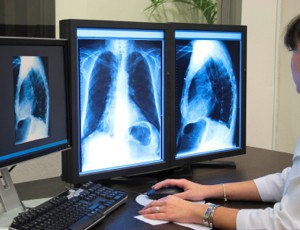
According to the literature, thrombolytic therapy with rt-PA may be considered the treatment of choice in symptomatic thrombosis of SVC secondary to long-term catheter, uncertainty still exists about dosage, optimal rate of infusion, and optimal duration of treatment, as well as the criteria for choosing local versus systemic infusion” Zaccone et al (2017). Abstract: Introduction: […]
Extent and treatment of vascular device associated air embolism

To narratively review published information on prevention, detection, pathophysiology, and appropriate treatment of vascular air embolism (VAE)” Brull and Prielipp (2017). Abstract: PURPOSE: To narratively review published information on prevention, detection, pathophysiology, and appropriate treatment of vascular air embolism (VAE). MATERIALS AND METHODS: MEDLINE, SCOPUS, Cochrane Central Register and Google Scholar databases were searched for […]
Cerebral air embolism following central venous catheter removal

Air embolism is a rare but potentially fatal complication of central venous catheterization. Venous air emboli can paradoxically enter the arterial circulation through a patent foramen ovale” Arcinas et al (2017). Air embolism is a rare but potentially fatal complication of central venous catheterization. Venous air emboli can paradoxically enter the arterial circulation through a […]
Landmark-guided subclavian vein catheterization

But even with proficient skills, subclavian vein catheterization guided by palpation of anatomical landmarks have a lower success rate and higher rate of complications” Xu and Zhang (2017). The internal jugular vein, subclavian vein and femoral vein are the most commonly used insertion sites for central venous catheterization. A multicenter clinical trial compared theses commonly […]
Centralized control interface for infusion pump management

The objective of this study was to assess the usability benefits of adding a bedside central control interface that controls all intravenous (IV) infusion pumps compared to the conventional individual control of multiple infusion pumps” Doesburg et al (2017). Abstract: The objective of this study was to assess the usability benefits of adding a bedside […]
Electronic trigger tool to optimise intravenous to oral antibiotic switch

We have introduced a time-efficient and easily implementable intervention that relies on a computerized trigger tool, which identifies patients who are candidates for an iv to oral antibiotic switch” Berrevoets et al (2017). Abstract: Background: Timely switch from intravenous (iv) antibiotics to oral therapy is a key component of antimicrobial stewardship programs in order to […]
NeutraClear® needleless connector equally effective against catheter colonization compared to MicroClave®

The NeutraClear® needleless connector proved to be as efficient as the MicroClave® connector in the prevention of catheter colonization and migration of S. aureus from the surface to the inside of the hub in an in vitro model” Guembe et al (2017). Abstract: Introduction: Neutral-valve closed-system connectors can reduce the frequency of catheter colonization. Commercially […]
Vocal cord paralysis following central venous catheter insertion

In this article, we present a case of recurrent laryngeal nerve palsy not caused by nerve injury but due to local anesthetic infiltration that was applied prior to central venous catheterisation” Pamukçu Günaydın et al (2017). Abstract: In this article, we present a case of recurrent laryngeal nerve palsy not caused by nerve injury but due […]
Human factors prevents retained central venous catheter guidewires

A novel locked procedure pack was designed to contain the equipment required for completing the procedure after the guidewire should have been removed: suture, suture holder, and antimicrobial dressings” Mariyaselvam et al (2017). Abstract: BACKGROUND: Retained central venous catheter guidewires are never events. Currently, preventative techniques rely on clinicians remembering to remove the guidewire. However, […]
Implementation of an ultrasound-guided peripheral intravenous catheter program

Establishment of an effective didactic and hands-on training program resulted in emergency department nurses becoming competent in placement of ultrasound guided PIV catheters to provide optimal patient care” Edwards and Jones (2017). Abstract: PROBLEM: Emergency medical care often necessitates placement of peripheral intravenous (PIV) catheters. When traditional methods for obtaining PIV access are not successful, […]
Exploration of central line-associated blood stream infection and antibiotic resistance

Here we explore a case of MRSA central line-associated blood stream infection in which dalbavancin and vancomycin non-susceptibility emerged in a urine isolate collected after the patient was treated with vancomycin and dalbavancin sequentially” Werth et al (2017). Abstract: OBJECTIVES: Dalbavancin is a long-acting lipoglycopeptide with activity against Gram-positives, including methicillin-resistant Staphylococcus aureus(MRSA). The potential […]
Comparison of time to obtain IO versus jugular catheterization on canine cadavers

IO catheterization using an automatic rotary insertion device was performed more rapidly and successfully than jugular venous catheterization using a cut-down technique in canine cadaver” Allukian et al (2017). Abstract OBJECTIVE: To compare the time required and the success rate of personnel with 4 different levels of experience to place a humeral intraosseous (IO) catheter […]
Detecting biofilm-biomaterial interactions at the molecular level

The combination of increased healthcare access, universal aging, and infallible therapy demands, synergistically drive the need for the development of biomaterial technologies that mitigate the challenge of biomaterial-associated infections (BAI)” Juhlin et al (2017). Abstract: The combination of increased healthcare access, universal aging, and infallible therapy demands, synergistically drive the need for the development of […]