
Ethanol lock therapy treatment for biofilm-associated CLABSI

According to our in vitro data, an ethanol-based lock solution with 40% ethanol + 60 IU heparin administered daily for 72 hours is sufficient to almost eradicate the metabolic activity of bacterial and fungal biofilms” Alonso et al (2018). Summary: Ethanol-based lock therapy (LT) solutions are used as an alternative to antibiotics for the conservative […]
Assessing patient risk of central line-associated bacteremia via machine learning

Machine learning can be used to develop accurate models to predict the risk of CLABSI in real time prior to the development of infection” Beeler et al (2018). Abstract: Background: Central line-associated bloodstream infections (CLABSIs) contribute to increased morbidity, length of hospital stay, and cost. Despite progress in understanding the risk factors, there remains a […]
Is chlorhexidine required for needleless connector decontamination?

Unfortunately, intermittent reports from facilities have shown an increase in bloodstream infections (BSIs) thought to be associated with NC use” Flynn et al (2018). Abstract: Since the introduction in the early 1990s of a needleless connector (NC) on vascular access devices to minimize the risk of needle stick injuries to healthcare workers, their use is […]
Chlorhexidine-containing dressings in the prevention of CLABSI

Our study shows similar results in overall direct treatment costs, meaning that higher acquisition costs of chlorhexidine-containing dressings did not translate into higher costs. Expenses were primarily outweighed by a lower rate of probable/definite CRBSI and reduced associated costs” Heimann et al (2018). Reference: Background: A recent study reported a reduction in probable/definite central venous […]
Nanofiber catheter coatings for the prevention of microbial adhesion of biofilms

Surface associated microbial communities, known as biofilms, pose significant challenges in clinical and industrial settings” Ye et al (2018). Abstract: Surface associated microbial communities, known as biofilms, pose significant challenges in clinical and industrial settings. Micro/-nanoscale surface features have been shown to disrupt firm adhesion of planktonic microbes to surfaces, thereby interfering with the earliest […]
Ultrasound guided internal jugular vein cannulation in infants
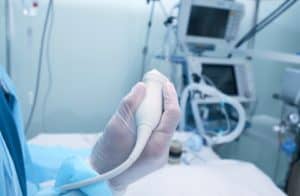
A novel technique (modified short-axis out-of-plane [MSA-OOP]) to improve first pass success rate of ultrasound-guided IJV CVC in neonates and infants is being compared with conventional SA-OOP method” Rastogi et al (2018). Abstract: BACKGROUND AND AIMS: Central venous cannulation (CVC) through right internal jugular vein (IJV) route is routinely performed in paediatric patients undergoing major […]
Catheter-related venous thrombosis in hospitalized pediatric patients

To describe the incidence and characteristics of central venous catheter (CVC)-related thrombosis in hospitalized pediatric patients with active inflammatory bowel disease (IBD) and report the potential usefulness of anticoagulant thromboprophylaxis (AT)” Diamond et al (2018). Abstract: OBJECTIVE: To describe the incidence and characteristics of central venous catheter (CVC)-related thrombosis in hospitalized pediatric patients with active […]
Accuracy of acid-base diagnoses using a central venous blood gas

In critically ill adult patients, central VBG may be used to detect and diagnose acid-base disturbances with reasonable diagnostic accuracy, even in shock states, compared to the ABG” Schrauben et al (2018). Abstract: BACKGROUND: Acid-base disturbances are frequent in critically ill patients. Arterial blood gas (ABG) is the gold standard in the diagnosis of these […]
Bacteriology of the buttonhole cannulation tract in hemodialysis patients

We describe the frequency and type of bacterial colonization of the buttonhole tract over time and associated clinical infections” Christensen et al (2018). Abstract: BACKGROUND: The buttonhole cannulation technique for arteriovenous fistulas is widely used, but has been associated with an increased rate of vascular access-related infections. We describe the frequency and type of bacterial […]
Bedside ultrasound diagnosis of a malpositioned central venous catheter

Bedside ultrasound offers safety and effectiveness during insertion of CVC. It also exhibits promptness and accuracy compared to post-intervention radiological imaging” Song et al (2018). Abstract RATIONALE: Central venous catheter (CVC) placement is commonly performed in intensive care unit. And CVC placement is associated with risks including CVC malposition, pneumothorax. Many of the previously reported […]
OPAT to treat children with acute urinary tract infection

Outpatient parenteral antimicrobial therapy (OPAT) offers the option of treating children requiring intravenous antibiotics for acute urinary tract infection(UTI)/pyelonephritis at home” Scanlan et al (2018). Abstract: BACKGROUND: Outpatient parenteral antimicrobial therapy (OPAT) offers the option of treating children requiring intravenous antibiotics for acute urinary tract infection(UTI)/pyelonephritis at home. We aimed to determine the outcomes of […]
Nonpharmacological methods of pain reduction during venous cannulation

This study aims to evaluate the role of 3 different nonpharmacological measures such as Valsalva maneuver, flash of light, and distraction method in attenuation of pain during venous cannulation” Shivashankar et al (2018). Abstract: BACKGROUND: Establishing an intravenous access is indispensable for safe administration of anesthesia. Most of the times, it is executed without any analgesia […]
Central venous or peripheral administration of sufentanil

Opioid-induced cough (OIC) is one of the most common complications of opioids during anesthesia induction. This study was designed to assess the incidence of OIC mediated by different intravenous route” He et al (2018). Abstract: BACKGROUND: Opioid-induced cough (OIC) is one of the most common complications of opioids during anesthesia induction. This study was designed […]
Colombian survey of ultrasound guidance for central venous catheterisation
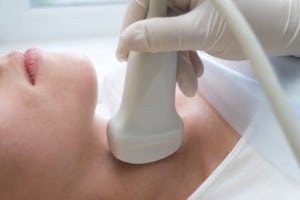
US guidance is not a common technique used for CVC by Colombian anaesthesiologists; an important barrier for its use is lack of equipment” Calvache et al (2018). Abstract: QUALITY PROBLEM OR ISSUE: Ultrasound (US) is a widely propagated medical technology. Anaesthesiologists increase procedural safety by using US techniques, but training and availability are essential for […]
Ultrasound-guided placement of long peripheral cannulas in children

The aim of this study was to compare success rates, dwell times and complications of peripheral venous long cannulas (LCs) inserted under ultrasound guidance with those of SCs in children” Paladini et al (2018). Abstract: OBJECTIVES: Most children admitted to the emergency department (ED) require peripheral venous access (PVA), which is often difficult to perform […]
Pilot randomized controlled trial comparing PICC materials in pediatrics

Our primary aim was to evaluate the feasibility of a large randomized controlled efficacy trial of PICC materials and design to reduce PICC complication in pediatrics” Kleidon et al (2018). Abstract: BACKGROUND: Despite the popularity of peripherally inserted central catheters (PICCs), recent literature highlights their potential injurious complications. Innovative PICC materials have been developed to […]
Publication describes the diagnosis and management of cellulitis

Cellulitis is a frequently encountered condition, but remains a challenging clinical entity” Sullivan and de Barra (2018). Abstract: Cellulitis is a frequently encountered condition, but remains a challenging clinical entity. Under and overtreatment with antimicrobials frequently occurs and mimics cloud the diagnosis. Typical presentation, microbiology and management approaches are discussed. Reference: Sullivan, T. and de […]
Risk factors for bloodstream infections in cancer patients

The aim of this study was to evaluate the clinical characteristics and risk factors associated with mortality in cancer patients with bloodstream infections (BSI), analyzing multidrug resistant bacteria (MDRB)” Islas-Muñoz et al (2018). Abstract: OBJECTIVE: The aim of this study was to evaluate the clinical characteristics and risk factors associated with mortality in cancer patients […]
Unusual outcome of femoral vein PICC placement

We describe a case of a 9-month-old boy with complex congenital heart disease (heterotaxy syndrome, polysplenia type) who underwent pulmonary artery banding to reduce pulmonary blood flow to control heart failure symptoms. PICC was placed in the left femoral vein during the postoperative period.” Extract: “The peripherally inserted central catheter (PICC) is used as a […]
What is the impact of placing a tunnelled midline catheter?

The placement of the tunnelled midline catheter is shown to be a safe and effective way to ensure vascular access for almost 2 months” Fabiani et al (2018). Abstract: INTRODUCTION: A safe, largely used practice for difficult venous access patients is positioning a catheter in deeper veins under ultrasound guide. However, the risk of complications is […]
Procedural and documentation variations in intravenous infusion administration

To address this we investigated the prevalence of procedural and documentation deviations in IV infusion administration and explored variability in policy and practice across different hospital trusts” Furniss et al (2018). Abstract: BACKGROUND: Procedural and documentation deviations relating to intravenous (IV) infusion administration can have important safety consequences. However, research on such deviations is limited. […]
Errors and discrepancies in the administration of intravenous infusions

Errors and discrepancies are relatively common in everyday infusion administrations but most have low potential for patient harm” Lyons et al (2018). Abstract: INTRODUCTION: Intravenous medication administration has traditionally been regarded as error prone, with high potential for harm. A recent US multisite study revealed few potentially harmful errors despite a high overall error rate. […]
Guidelines for preventing the transmission of infections in hemodialysis facilities

This special report summarizes the key recommendations from the Korean clinical practice guidelines for preventing the transmission of infections in hemodialysis facilities” Park et al (2018). Abstract: Patients receiving hemodialysis are vulnerable to infectious diseases due to their impaired immunity and high risk of exposure to pathogens. To protect patients, staff, and visitors from potential […]
Can you avoid placing that central venous catheter?
The purpose of this retrospective study is to identify the unnecessary application of central venous catheter placement and determine the factors associated with the unnecessary application of central venous catheter placement” Uemura et al (2018). Abstract: BACKGROUND AND OBJECTIVES: Perioperative physicians occasionally encounter situations where central venous catheters placed preoperatively turn out to be unnecessary. […]
Impact of defaulting to single lumen peripherally inserted central catheters

Changing the default for peripherally inserted central catheters (PICCs) ordered from non-critical care units to single-lumen devices resulted in a sustained reduction in PICC-related complications” Lam et al (2018). Abstract: Changing the default for peripherally inserted central catheters (PICCs) ordered from non-critical care units to single-lumen devices resulted in a sustained reduction in PICC-related complications. […]
Quality improvement protocol to reduce neonatal CLABSI rates

Therefore, we intend to introduce evidence-based CLABSI prevention package in our practice to improve CLABSI rates in our NICU within limited resources” Hussain et al (2017). Abstract: INTRODUCTION: Central line-associated bloodstream infections (CLABSI) are the most important cause of morbidity and mortality in critically ill patients. Evidence-based interventions when used in form of a bundle […]
Recanalization of occluded veins in a parenteral nutrition-dependent children

We propose a new paradigm that uses these techniques to prevent access site exhaustion in patients who do not respond to anticoagulation therapy. This approach may reduce morbidity and mortality in patients with chronic access needs and the need for intestinal transplantation in patients with intestinal failure” Sullivan et al (2018). Abstract: Central venous thromboses […]
Creating a multidisciplinary dialysis access program

We conclude that a formalized access program decreases catheter rates, central line-associated bloodstream infection, and the resultant hospitalizations, mortality, and costs” Rosenberry et al (2018). Abstract: INTRODUCTION: Centers for Medicare and Medicaid Services have determined that chronic dialysis units should have <12% of their patients utilizing central venous catheters for hemodialysis treatments. On the Eastern […]
Relocation of blood gas laboratory to the emergency department

Emergency physicians often rely on Lactic Acid (LA) values to make important clinical decisions. Accuracy of LA values improve when blood gas analysis is performed in the emergency department (ED) as opposed to a satellite laboratory (SL)” Brazg et al (2018). Abstract: Importance: Emergency physicians often rely on Lactic Acid (LA) values to make important […]
Skin disinfection before CVC insertion in patients receiving intensive chemotherapy

We aimed to compare the effectiveness of 1% chlorhexidine gluconate in 70% alcohol (CH) vs. PI for skin disinfection before CVC insertion in patients receiving intensive chemotherapy” Ohtake et al (2018). Abstract: A central venous catheter (CVC) is a catheter placed into a large vein, and is used for chemotherapy administration. However, there is little […]