
Implantable port fungemia – Full Text

“His condition improved after the removal of the catheter and the administration of antifungal drugs” Sakoda et al (2022).
Umbilical venous catheter update – Full Text

“This review article is an overview of the current knowledge and evidence available in the literature about UVCs. Our aim is to provide precise and updated recommendations on the use of this central line” D’Andrea et al (2022).
Implantable port and fear of pain

“Kinesiophobia is common in cancer patients with TIAPs, and it is closely related to the subjective experience of daily activities, which requires more attention and early intervention to reduce the potential adverse effects” Wang and Qiu (2022).
CLABSI pathogens during the COVID-19 pandemic

“To assess potential changes in the pathogens attributed to central line-associated bloodstream infections between 2019 and 2020, hospital data from the National Healthcare Safety Network were analyzed” Weiner-Lastinger et al (2022).
Neonatal extravasation injury – Full Text

“We present three cases of neonatal extravasation injuries with varying presentations, etiological agents, and timing of management” Yew et al (2022).
Comparison of capillary and venous blood sampling

“Based on these results, capillary blood sampling proved to be an alternative blood withdrawal method for routine coagulation assays, with the exception of APTT, if a venipuncture is unavailable or undesired” Fliervoet et al (2022).
Parenteral nutrition-associated liver disease

“Although lipid reduction strategies, as well as the use of multicomponent lipid emulsions and vitamin E, have shown promise, the cornerstone of preventing injury is the early establishment of EN” Wichman et al (2022).
Peripheral IV catheter material and failure rates

“The study’s findings are in accord with international literature concerning adult and pediatric patients concerning the superiority of PUR over PTFE catheters with respect to the risk of phlebitis and longer dwell times” van Rens et al (2022).
OPAT UK outcomes – Full Text

“This report demonstrates the safety, breadth, and complexity of modern UK OPAT practice” Gilchrist et al (2022).
CVC associated thrombosis

“In hospitalized patients undergoing TPE, CVC use is associated with increased rates of thrombosis” Soares Ferreira Júnior et al (2022).
Insights on catheter-related bloodstream infections

“Although more than 42.3% of the central venous catheters were colonized by staphylococci, no statistically significant association was found between CRBSI and biofilms” Pinto et al (2022).
Central venous catheter care in Australia

“Our audit showed a detailed picture of clinician’s adherence to recommended practices in central venous catheter insertion and management” LIN ET AL (2022).
CLABSI in severe anorexia nervosa

“Anorexia nervosa (AN) may be treated with intravenous hyperalimentation (IVH) that may be associated with catheter-related bloodstream infection (CRBSI)” Hirata et al (2022).
Training NICU nurses in ultrasound-guided peripheral IV access
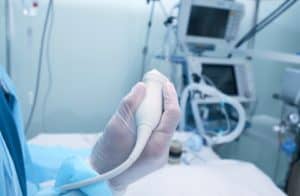
“This project demonstrated that USGIV catheter can be employed in neonatal patients by training NICU nurses in USGIV techniques” McKinney et al (2022).
ivWatch biosensor research proposal – Full Text

“ivWatch is a biosensor that uses visible and near-infrared light to measure tissue changes surrounding the PIVC and alert clinicians when extravasation may occur” McBride et al (2022).
OPAT vancomycin-associated nephrotoxicity

“In this cohort, vancomycin-associated nephrotoxicity was common during outpatient intravenous antibiotic therapy. Co-administration of a fluoroquinolone, any nephrotoxic medication, and a higher maximum vancomycin trough were associated with AKI development” Krueger et al (2021).
Peripheral IV administration of hypertonic saline

“To determine the frequency and characteristics of complications of peripherally administered hypertonic saline (HTS) through assessment of infiltration and extravasation” Pohl et al (2022).
IM injection in anticoagulated patients

“Intramuscular vaccination in anticoagulated patients is safe with very low incidence of haematomas and the best available evidence suggests that using the intramuscular route does not increase the risk of haematomas compared with the subcutaneous route” Caldeira et al (2022).
Dynamic haptic robotic CVC trainer

“In order to combat these errors, a Dynamic Haptic Robotic Trainer (DHRT) was developed, which focuses on vessel identification and access” Tzamaras et al (2021).
Lost venous access guidewire – Full Text

“We report a pediatric patient who underwent a central venous catheter (CVC) insertion and presented with a sudden protrusion of a guidewire from the neck 26 months later” Asailan et al (2022).
Point-of-care ultrasound for neonatal central catheter positioning

“PoCUS evaluation of central catheters significantly increases the accuracy of the final line tip position with more lines at the cavoatrial junction” Rossi et al (2022).
CLABSI rates in Greece

“To investigate the association between the incidence of CLABSI, the implementation of specific infection control measures, and the incidence of multidrug-resistant (MDR) bacteraemias in a tertiary-care hospital in Greece from 2013-2018” Papanikolopoulou et al (2022).
Psychological impact of sharps injuries

“The findings highlight the potential psychological issues created by sharps injuries, and highlights that further research is needed into this topic to aid the education and prevention of this harmful problem” Hambridge (2022).
3D printed intraosseous infusion simulator

“The goal of this technical report is to describe the development and evaluation of a three-dimensional (3D)-printed Pediatric IO Infusion Model for simulation-based medical education” Wade et al (2022).
ECG PICC tip positioning in atrial fibrillation – Full Text

“To observe the changes of F waves on electrocardiograms (ECGs) in patients with persistent atrial fibrillation during the insertion of a peripherally inserted central catheter (PICC), and to analyze the application effect of the ECG method (through F wave changes) for guiding PICC tip positioning” Zhao et al (2022).
Management of chemotherapy infusion reactions

“Following implementation of a novel pharmacist-developed, symptom-based nurse-driven protocol, infusion reaction treatment failure occurred in 7% of IRRs evaluated. Although the failure rate was low, additional nurse education and improved access to protocol-directed medications may optimize use of the protocol” Cebollero et al (2022).
OPAT readmission risk

“Although patients receiving medication subject to therapeutic drug monitoring are at higher risk of readmission, only half of the patients discharged with aminoglycosides or vancomycin were monitored according to IDSA guidelines” Douiyeb et al (2022).
Antiseptic barrier caps reduce CLABSI

“Antiseptic barrier caps appear to be effective in reducing CLABSI. The real-world impact needs to be confirmed by RCTs” Tejada et al (2022).
Cuffed tunnelled silastic CVC in neonates

“The USG approach in infants<5 kg is safe and can be used exclusively for venous access even in the most tiny babies. It is, however, a technically challenging procedure therefore we would recommend establishing a consultant delivered vascular access team to provide this service" Reddy et al (2022).
Intravenous contrast medium extravasation guidelines – Full Text

“Guidelines for management and prevention of contrast media extravasation have not been updated recently. In view of emerging research and changing working practices, this review aims to inform update on the current guidelines” Roditi et al (2022).