Intravenous hydration in patients receiving bisphosphonate therapy

“Hydration plays an important role in the treatment of hypercalcaemia by pamidronate and zoledronic acid: it
Fluid therapy and the management of intravascular volume and organ perfusion

“Fluid therapy is a core concept in the management of perioperative and critically ill patients for maintenance of
Intravenous access in the prehospital emergency medical care setting

“To describe the use of intravenous (IV) therapy in the South African (SA) prehopsital setting, and to determine the proportion of prehopsital cannulations considered unnecessary when graded against the South African Triage Score (SATS) chart” Bester and Sobuwa (2014).
The impact of an instructional video for teaching venepuncture

“This study investigates whether watching an instructional video improves medical students’ ability to perform venepuncture
Sharps injury reduction achieved by changing the size of sharps container

“A 350-bed Sydney hospital noted excessive container-associated sharps injuries (CASI) using small sharps containers and
Valuation of hospital bed-days released by infection prevention programs

“We performed a contingent valuation survey to elicit the opportunity cost of bed-days consumed by healthcare-associated
New strategy to reduce hypertriglyceridemia during parenteral nutrition

“The substitution of OOFE with MOFE in patients with moderate hypertriglyceridemia during PN resulted in a reduction in
Peripheral and central cultures in pediatric patients with cancer and suspected CLABSI

“When an infection is suspected in a child with cancer and a central venous line (CVL), cultures are often only obtained from
Percutaneous retrieval of fractured PICC fragments via the femoral vein

“Via femoral vein access, PICC fractures could be removed with common interventional instruments such as a goose snare,
ECG tip positioning of central venous access devices in pediatric patients

“The Italian Group for Venous Access Devices (GAVeCeLT) has carried out a multicenter study investigating the safety and
Comparison of three different types of valved and non-valved PICC

“Few randomized studies have investigated the impact of valved and non-valved power-injectable peripherally inserted central
Comparison of infections and complications in central venous catheters in adults

“In our study, we demonstrated that central venous ports and PICC lines in patients undergoing infusional
PTFE grafts versus tunneled cuffed catheters for hemodialysis
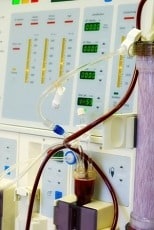
“The aim of this study was to compare polytetrafluoroethylene (PTFE) grafts versus tunneled cuffed permanent
Simplified augmented reality device for ultrasound-guided vascular access

“During vascular access in a vascular phantom model, the novel device decreased the time and the number of
Vascular access fibrin sheath disruption not associated with increased bacteremia

“This study demonstrates that there is no significant increase in bacteremia and subsequent catheter dysfunction
Epidemiology, health outcomes and economic burden of cancer-related venous thromboembolism

“The objective of this study was to present evidence on the epidemiology, health outcomes and economic burden of
Reply to comments on PICC-related deep vein thrombosis
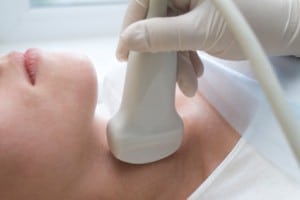
“Drs. Kang, Li and Chen note that our findings related to the association between PICC gauge, cancer and deep vein
Universal decolonization strategies to prevent MRSA colonization and infection in adult intensive care units

“The REDUCE MRSA Trial (Randomized Evaluation of Decolonization vs Universal Clearance to Eliminate Methicillin-
Review of central line–associated bloodstream infections 2007–2012 among critically ill children

“In this cohort study, we included NICUs and PICUs located in hospitals reporting data to the Centers for Disease Control and
Evaluating post-procedural chest X-ray in detecting complications of CVC insertion
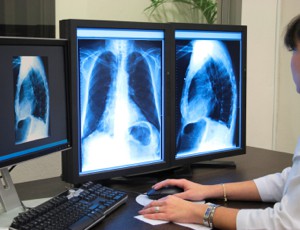
“The purpose of this study was to evaluate the role of post-procedural chest X-ray in detecting complications of CVC insertion.”
Development and evaluation of a subcutaneous infusion delivery system

“A novel, self-administration drug delivery system for subcutaneous infusion was developed and evaluated. The device
Interdisciplinary approach to long-term home parenteral nutrition

“Home parenteral nutrition (HPN) is indicated for adults and children who cannot digest and absorb food and who are able to
Prophylactic anticoagulation and PICC-related upper extremity venous thrombosis

“The evidence regarding the value of prophylactic anticoagulation to prevent peripherally inserted central catheter-related
Tips for successful grant writing for infusion nurses

“This paper describes the role of the infusion nurse in developing a research proposal, identifying appropriate sources of
Impact of temperature, light exposure on pharmacological solutions

“The aim of this study was to determine the pH of solutions of dobutamine hydrochloride, fentanyl citrate, and their
Nonthrombotic complications related to central vascular access devices

“This article will describe various nonthrombotic CVAD complications as well as identification and appropriate interventions
Full text case report of a patient with persistent left superior vena cava

“The present report describes a case of a patient with a persistent left superior vena cava detected after central venous catheter
Incidence and risk factors of infectious complications related to implantable ports

“The purpose of this study was to determine the incidence and risk factors of infections associated with implantable venous access ports (IVAPs).” Shim et al (2014). Reference: Shim, J., Seo, T.S., Song, M.G., Cha, I.H., Kim, J.S., Choi, C.W., Seo, J.H. and Oh, S.C. (2014) Incidence and risk factors of infectious complications related to implantable […]
Case-control study to identify risk factors for totally implantable port BSI

“To date, the risk factors for central venous port-related bloodstream infection (CVPBSI) in solid cancer patients have not
When to implant a port after removing the previous one because of infection

“We conducted a retrospective bicentric study including all patients having undergone PAC removal because of infection,