Dual-intraosseous needle insertion into a single bone

This is the first published study evaluating dual-intraosseous needles in a single bone” Douma et al (2015). Abstract: INTRODUCTION: Resuscitation can be delayed, or impaired, by insufficient vascular access. This study examines whether dual-intraosseous needles, inserted into a single porcine humerus, can facilitate rapid and concomitant fluid and medication delivery. [ctt tweet=”ReTweet if useful… Dual-intraosseous […]
Performance review of safety peripheral intravenous catheters

The performance of a new safety peripheral intravenous catheter (PIVC) that contains a blood control feature in the hub (blood control) was compared against the current hospital standard without blood control (standard)” Seiberlich et al (2015). Abstract: INTRODUCTION: The performance of a new safety peripheral intravenous catheter (PIVC) that contains a blood control feature in […]
Incidence of upper extremity DVT with central venous catheters

Upper extremity deep vein thrombosis (UEDVT) is an increasingly recognized complication in medical inpatients with little data available regarding the incidence, risk factors and association with central venous catheters (CVC) use” Winters et al (2015). Abstract: BACKGROUND: Upper extremity deep vein thrombosis (UEDVT) is an increasingly recognized complication in medical inpatients with little data available […]
Port or PICC for breast cancer patients?

We aimed to compare the complication rate between port catheters (PC) and peripherally inserted central catheters (PICC) for the administration of postoperative chemotherapy for breast cancer” Lefebvre et al (2015). Abstract: PURPOSE: We aimed to compare the complication rate between port catheters (PC) and peripherally inserted central catheters (PICC) for the administration of postoperative chemotherapy […]
PICC related thrombosis in breast cancer patients

To identify clinical incidence, risk factors and treatment of peripherally inserted central venous catheters (PICCs)-related upper extremity venous thrombosis (UEVT) in breast cancer patients undergoing chemotherapy” Kang et al (2015). Abstract: PURPOSE: To identify clinical incidence, risk factors and treatment of peripherally inserted central venous catheters (PICCs)-related upper extremity venous thrombosis (UEVT) in breast cancer […]
The economic value of OPAT services

Shifting ABSSSI care to outpatient settings may result in medical cost savings greater than 53%” Ektare et al (2015). Abstract: OBJECTIVE: To estimate, from a US payer perspective, the cost offsets of treating gram positive acute bacterial skin and skin-structure infections (ABSSSI) with varied hospital length of stay (LOS) followed by outpatient care, as well […]
Peripherally inserted central catheter-related vein thrombosis

We designed a study to analyze factors causing peripherally inserted central catheter (PICC)-related vein thrombosis, and find some nursing interventions to reduce the incidence of PICC-related vein thrombosis…” Chen et al (2015). Abstract: BACKGROUND: It has been proven that peripherally inserted central catheter-related vein thrombosis is a unignorable complication which causes serious harm and economic […]
How to place PICC lines in neonates

We developed an easy and safe insertion technique for 2-French (F) PICCs with a new fine-tipped introducer cannula created without modifying commercial products by advancing a 24-gauge peripheral venous cannula through a half-peeled (20-gauge) introducer cannula” Uygun (2015). Abstract: PURPOSE: Peripherally inserted central catheters (PICC) are used extensively in neonates. However, insertion of these thinnest […]
Hyperglycemia during home parenteral nutrition administration

In the hospital setting, some nondiabetic patients develop hyperglycemia and subsequently require long-term insulin while receiving PN” Varayil et al (2015). Abstract: Background: Parenteral nutrition (PN) is a life-sustaining therapy in appropriate clinical settings. In the hospital setting, some nondiabetic patients develop hyperglycemia and subsequently require long-term insulin while receiving PN. Whether similar hyperglycemia is […]
Device-associated nosocomial infections in a trauma intensive care unit

Device-associated nosocomial infections (DANIs) have a major impact on patient morbidity and mortality. Our study aimed to determine the distribution rate of DANIs and causative agents and patterns of antibiotic resistance in the trauma-surgical intensive care unit (ICU)” Zorgani et al (2015). Abstract: OBJECTIVES: Device-associated nosocomial infections (DANIs) have a major impact on patient morbidity […]
Detecting bacterial biofilms on central venous catheters

Layouts of biomedical devices were tightly related with the emergence of Staphylococcus epidermidis as a major cause of nosocomial infections because of its ability to form biofilm on the biomaterial surfaces” Mekni et al (2015). Abstract: BACKGROUND: Layouts of biomedical devices were tightly related with the emergence of Staphylococcus epidermidis as a major cause of […]
Estimating dwell duration of central venous catheters

The aim of this study was to investigate whether clinicians can estimate the length of time a central venous catheter (CVC) will remain in place and to identify variables that may predict CVC duration” Holmberg et al (2015). Abstract: PURPOSE: The aim of this study was to investigate whether clinicians can estimate the length of […]
Home parenteral nutrition care in the Czech Republic

Home artificial nutrition includes application of enteral and parenteral nutrition in home environment, in cases of natural nutrition access failure” Šenkyřík (2015). Abstract: Home artificial nutrition includes application of enteral and parenteral nutrition in home environment, in cases of natural nutrition access failure. Home enteral nutrition uses various modality and ways, when persist the functional […]
Procedural analgesia for implantable port placement

This study investigates the effectiveness and safety of fentanyl buccal tablet (FBT), administered by OraVescent® technology, in reducing procedural pain related to the placement of indwelling central venous access systems (Ports) in opioid-naïve cancer patients” Bortolussi et al (2015). Abstract: BACKGROUND: Pain in cancer patients is often related to oncologic therapies and diagnostic procedures. The […]
Antibiotic serum concentrations when sampling from a PICC
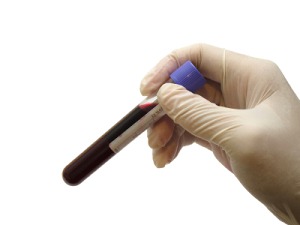
The purpose of the study was to evaluate serum concentration of antibiotics drawn from a peripherally inserted central catheter (PICC) compared with a peripheral venipuncture” Green et al (2015). Abstract: The purpose of the study was to evaluate serum concentration of antibiotics drawn from a peripherally inserted central catheter (PICC) compared with a peripheral venipuncture. […]
Vascular access outcomes for home hemodialysis patients

Compared to CVC use, AV access use was associated with superior survival. Minimizing CVC use and maximizing AV access use while addressing barriers to their placement and self-cannulation may improve HHD outcomes” Perl et al (2015). Abstract: BACKGROUND: While central venous catheter (CVC) use has expanded home hemodialysis (HHD) eligibility to many patients who may […]
Horner’s syndrome following internal jugular CVC insertion

This study aims to determine the incidence of Horner’s syndrome in patients admitted to intensive care unit that have undergone internal jugular CVC insertion…” Butty et al (2015). Abstract: Purpose: Central venous catheterization (CVC) is estimated to be performed in millions of patients per year. Swan-Ganz catheters used for CVC are most often inserted into […]
Does the topical administration of mupirocin prevent CLABSI

Mupirocin is effective in the prophylaxis of CLABSI. Other CVC care practices were also found to affect the level of bacterial colonization, but their efficacy in preventing CLABSI needs to be evaluated further” Tao et al (2015). Abstract: AIM: The aim of this study was to evaluate the efficacy of the topical administration of mupirocin […]
Global view of central venous access site care

A cross-sectional descriptive study using an online survey was performed with an aim to determine current CVAD site care practices internationally” Broadhurst et al (2015). Abstract: PURPOSE: Effective postinsertion management of central venous access devices (CVADs) is important to prevent CVAD-associated complications, including catheter-associated bloodstream infections. Although there is a wealth of evidence-based guidelines available […]
What is it like living with a central venous catheter

For the past 5 years, I have lived with a peripherally inserted central catheter (PICC) for treatment of a chronic urinary tract infection (UTI) associated with a neurogenic bladder” Paliobeis (2015). Abstract: For the past 5 years, I have lived with a peripherally inserted central catheter (PICC) for treatment of a chronic urinary tract infection (UTI) […]
Threats of superbugs to vascular access clinicians and patients

According to the new report, at least 2 million people become infected with bacteria that are resistant to antibiotics and at least 23,000 people die each year as a direct result of these infections” Hudson Garrett (2015). Abstract: Each year, the Centers for Disease Control and Prevention (CDC) estimates that more than 722,000 hospitalized patients […]
Review of vascular access practices in China

This article highlights vascular access practices in China” Librande et al (2015). Abstract: This article highlights vascular access practices in China. Extrinsic influences such as the country, the culture, and the political environment are revealed to bring into perspective the results of a survey that involved work practices of current vascular access nurses in China. […]
Dual vector biosensor PICC tip positioning system

Our vascular access team (VAT), like many others, has moved away from chest radiograph after peripherally inserted central catheter (PICC) insertion to a catheter tip positioning system or tip locating device (TLD)” Ramirez et al (2015). Abstract: Background: Vascular access is continually evolving in areas of clinical practice and new technology. Our vascular access team […]
Open vs closed peripherally inserted central catheters

It is essential to inform health care workers of the risks associated with central venous catheters such as systemic and infectious complications, mechanical complications, and/or thrombotic complications” Zerla et al (2015). Abstract: Today’s patients are more complex in terms of comorbidities and other conditions requiring multiple, long-lasting therapies such as chemotherapy, total parenteral nutrition, blood […]
Midline catheter use significantly reduce CLABSI rates

Midline catheters provide a reliable vascular access option for those patients with difficult venous access who would otherwise require multiple venipunctures or the use of higher-risk central lines to maintain access” Moureau et al (2015). Abstract: Introduction: Establishing an effective midline program involves more than simply learning an insertion technique for a new product. Midline […]
Simultaneous rapid saline flush to correct catheter malposition

A team of specially trained vascular access nurses, in collaboration with interventional radiologists at a National Cancer Institute-designated comprehensive cancer center developed a procedure for catheter repositioning using a simultaneous rapid saline flush technique (SRSFT)” Natividad and Rowe (2015). Abstract: Central venous catheters and peripherally inserted central catheters are fundamental in the delivery of pharmacologic […]
CLABSI prevention knowledge and education

The purpose of our project was to develop an educational intervention guided by the Healthcare and Technology Synergy Framework to improve registered nurses’ (RNs) knowledge of evidence-based practice guidelines to decrease the incidence of CLABSI” Humphrey (2015). Abstract: Background: The 2011 Centers for Disease Control and Prevention guidelines provide evidence-based recommendations for preventing central line-associated […]
Skin antisepsis with chlorhexidine–alcohol versus povidone iodine–alcohol

For skin antisepsis, chlorhexidine–alcohol provides greater protection against short-term catheter-related infections than does povidone iodine–alcohol and should be included in all bundles for prevention of intravascular catheter-related infections” Mimoz et al (2015). Summary: Background: Intravascular-catheter-related infections are frequent life-threatening events in health care, but incidence can be decreased by improvements in the quality of care. […]
Unrecognized intrathoracic central venous catheter placement

We present the case of a 65-year-old male with a right hemopneumothorax who was found to have intrathoracic placement of his right subclavian CVC at thoracotomy…” Wallin et al (2015). Abstract: Traditional recommendations suggest placement of a subclavian central venous catheter (CVC) ipsilateral to a known pneumothorax to minimize risk of bilateral pneumothorax. We present […]
Central venous catheter polymer pulmonary emboli explained

This report details the histopathologic changes in the lung seen following polymer fragmentation and embolization from a central venous catheter” Rapkiewicz et al (2015). Abstract: Hydrophilic polymers are used to coat catheters and other intravascular devices. In general, these polymers have many salutary properties; however, in some instances, fragmentation of hydrophilic polymers coating intravascular devices […]