Needlestick rates from peripheral intravenous catheters with or without safety devices

Even though Brazilian laws mandate the use of SEDs in health services, there are still barriers to its adherence, such as high costs and lack of knowledge of health workers” Priscila do Carmo Freitas de Carvalho et al (2016). Abstract: Several studies have indicated a reduction in percutaneous exposure after the introduction of safety-engineered devices […]
Identification of idle central venous catheters to prompt line removal

Central line days may be reduced by the consistent daily reevaluation of a line’s justification using defined criteria” Kara et al (2016). Abstract: BACKGROUND: There are 250,000 cases of central line-associated blood stream infections in the United States annually, some of which may be prevented by the removal of lines that are no longer needed. […]
Which pediatric patients need IV access when attending an emergency department

This study seeks to determine which pediatric patients are more likely to need IV access in a PED” Pade et al (2016). Abstract: OBJECTIVES: Pediatric emergency departments (PED) are overcrowded and at times inefficient with malaligned resources, especially regarding the use of intravenous (IV) catheters which are placed frequently, yet may be underused. This study […]
Tunneled central venous catheter tip position reviewed

Older patients and lines placed 1.5 vertebral bodies below the carina are less likely to become malpositioned” Gish et al (2016). Abstract: BACKGROUND: Suboptimal position of tunneled central venous catheters (Broviacs) decreases long-term catheter longevity, incurring morbidity and cost. We postulated that catheter malposition is related to patient’s age, technique used, and initial catheter tip […]
Ultrasound guided peripheral intravenous access for ED patients

Developing a training program for emergency providers in US-guided venous cannulation is feasible and safe” Oliveira and Lawrence (2016). Abstract: BACKGROUND: Peripheral intravenous (PIV) access is a common procedure in the emergency department (ED). However, conditions such as obesity and hypovolemia can often make access difficult by the traditional landmark technique. The use of ultrasonography […]
Which PICC line site dressing to achieve hemostasis

PICC for surgery after the puncture point of oppression hemostasis method choice, the effect of calcium alginate dressings hemostatic gauze pad is better than that of gauze pads and calcium alginate dressings…” Wan and Yan (2015). Abstract: OBJECTIVE: To explore the improvement the dingle technology through the PICC catheter puncture point elbow hemostatic effect. Selection. […]
Near-infrared technology used to improve venipuncture success

Novel devices based on the emission of near-infrared electromagnetic radiation (NIR) have been developed to minimize venous puncture failures” Fumagalli et al (2016). Abstract: BACKGROUND: Novel devices based on the emission of near-infrared electromagnetic radiation (NIR) have been developed to minimize venous puncture failures. These instruments produce an “augmented reality” image, in which subcutaneous veins […]
How to remove pulmonary artery catheters safely

This article aims to help nurses to undertake the removal of pulmonary artery (PA) catheters in a safe manner” Scales (2016). Abstract: Rationale and key points: This article aims to help nurses to undertake the removal of pulmonary artery (PA) catheters in a safe manner. PA catheter removal is associated with several risks and complications, […]
Risk of first-time bloodstream infection (BSI) according to type of central venous catheter

The purpose of the study was to assess the risk of first-time bloodstream infection (BSI) according to type of central venous catheter (CVC) during induction therapy in children with acute lymphoblastic leukemia (ALL)” Bergmann et al (2016). Abstract: The purpose of the study was to assess the risk of first-time bloodstream infection (BSI) according to […]
Anti fungal central venous catheter lock therapy

We conducted a prospective pilot study to evaluate the potential role of combined systemic antifungal and liposomal amphotericin B lock therapy in children with intestinal insufficiency with fungal catheter-related bloodstream infections whose central venous catheters had not been removed” McGhee et al (2016). Abstract: We conducted a prospective pilot study to evaluate the potential role […]
Risk factors for cancer-associated venous thromboembolism

Cancer site, cancer stage≥2, liver metastasis, chemotherapy, progesterone, being underweight or obese, hospitalization/nursing home confinement, CV catheter, and infection are independent risk factors for incident VTE in active cancer patients” Ashrani et al (2016). Abstract: BACKGROUND: Independent risk factors for cancer-associated incident venous thromboembolism (VTE) and their magnitude of risk are not fully characterized. AIM: […]
Non-tunneled temporary hemodialysis catheter use reviewed

Non-tunneled (temporary) hemodialysis catheters (NTHCs) are the least-optimal initial vascular access for incident maintenance hemodialysis patients yet little is known about factors associated with NTHC use in this context” Clark et al (2016). Abstract: BACKGROUND: Non-tunneled (temporary) hemodialysis catheters (NTHCs) are the least-optimal initial vascular access for incident maintenance hemodialysis patients yet little is known […]
Healthcare-associated infections: NICE quality standards 2016

This quality standard covers organisational factors in preventing and controlling healthcare-associated infections in secondary care settings” NICE (2016). Introduction: This quality standard covers organisational factors in preventing and controlling healthcare-associated infections in secondary care settings. Organisational factors include management arrangements, policies, procedures, monitoring, evaluation, audit and accountability. [ctt tweet=”ReTweet if useful… Healthcare-associated infections: NICE quality […]
Why is hand hygiene compliance among healthcare workers low

One would therefore expect, in an age of evidence-based medicine, that compliance with hand hygiene could be taken for granted. Instead, the opposite is true, with studies showing hand hygiene compliance among healthcare workers (HCWs) remaining at low levels” Mahida (2016). Abstract: Hand hygiene is one of the main strategies for reducing the incidence of […]
Central venous catheter-related blood stream infection with pyomyositis

We report a patient with CRBSI and pyomyositis due to S. maltophilia after allogeneic HSCT who was successfully treated by removing the CVC and antibiotics without surgical drainage” Kodama et al (2016). Abstract: Stenotrophomonas maltophilia causes pneumonia and CVC-CRBSI in HSCT. However, there are few reports of pyomyositis due to S. maltophilia. We report a […]
Which bundle insertion and catheter manipulation care elements prevent CLABSi

To prevent CLABSIs a bundle which includes hand hygiene prior to insertion and catheter manipulation, use of chlorhexidene alcohol for site preparation and maintenance, use of maximum barrier for catheter insertion, site selection, removing nonessential lines, disinfect catheter hubs before assessing line, and dressing changes are essential elements of basic practices” Septimus and Moody (2016). […]
How effective are central line bundles on CLABSI prevention

We aimed to quantify the effectiveness of central-line bundles (insertion or maintenance or both) to prevent these infections” Ista et al(2016). Abstract: BACKGROUND: Central-line-associated bloodstream infections (CLABSIs) are a major problem in intensive care units (ICUs) worldwide. We aimed to quantify the effectiveness of central-line bundles (insertion or maintenance or both) to prevent these infections. […]
Traceability and monitoring of parenteral nutrition administration

to develop the traceability control and the hazard analysis in the processes of parenteral nutrients (PN)” Bernabeu Soria et al (2015). Abstract: OBJECTIVE: to develop the traceability control and the hazard analysis in the processes of parenteral nutrients (PN). [ctt tweet=”ReTweet if useful… Traceability and monitoring of parenteral nutrition administration http://ctt.ec/5Oe2k+ @ivteam #ivteam” coverup=”5Oe2k”] METHOD: […]
PICC and risk of upper limb deep vein thrombosis

Central venous catheters and peripherally inserted central catheters are well established risk factors for upper limb deep vein thrombosis” Leung et al (2016). Abstract: Background: Central venous catheters and peripherally inserted central catheters are well established risk factors for upper limb deep vein thrombosis. There is limited literature on the thrombosis rates in patients with […]
PICC teams facilitate placement and reduce complication rates and costs

Our hypothesis was that creation of a dedicated PICC team would decrease inappropriate PICC placement, overall complication rates, and cost” Pernar et al (2016). Abstract: BACKGROUND: Peripherally inserted central venous catheters (PICCs) are popular for a broad range of indications. As with other forms of central access, PICC use can be associated with serious and […]
Fractured peripherally inserted central catheter retrieval
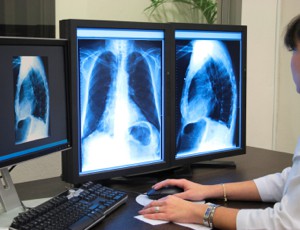
Herein, we report a novel nonsurgical retrieval technique for successful removal of a 46 cm long embolized intracardiac peripherally inserted central catheter by utilizing a flexible biopsy forceps” Pande et al (2015). Abstract: Peripheral catheter embolization to the heart is common but infrequently reported. In view of the hazardous complications of thrombosis, embolism, infection, arrhythmia […]
Reporting central venous access device failure

These concepts are explored through a case study in a dialysis unit where a malfunction of a medical equipment device (central venous catheter) was identified” Phillips et al (2016). Abstract: Technology and medical equipment devices have become integrated in the delivery of health care. These technologies and devices can introduce new risks, either through user […]
Unsafe injection practice causes HIV outbreak

An NCHADS case-control study identified medical injections and infusions as the most likely modes of transmission” Vun et al (2016). Extract: “In December 2014, local health authorities in Battambang province in northwest Cambodia reported 30 cases of human immunodeficiency virus (HIV) infection in a rural commune (district subdivision) where only four cases had been reported […]
Patient safety and staff perception of risk

When assessing risks, individuals use a variety of psychological and social processes that include their perception not only of a given risk but also of their own personal and social resources” Quintard et al (2016). Abstract: Objectives: Risk management aims at reducing risks associated with hospital care to an acceptable level, both in their frequency […]
Intravenous drug errors identified in this study

The highest error rate was detected in injections especially the intravenous route (39.58%)” al Tehewy et al (2016). Abstract: Objective: To measure the rates of medication administration errors in medical wards at Ain Shams University Hospital and to identify significant determinants of medication administration errors. [ctt tweet=”ReTweet if useful… Intravenous drug errors identified in this […]
Infection prevention for families providing central line care at home

Children living long-term with invasive devices such as central lines, gastrostomy tubes, dialysis catheters, and tracheostomies are an example of a patient group that is particularly vulnerable to infection and who may be cared for primarily at home by family members” Soto et al (2016). Abstract: Infection prevention and control (IPC) efforts and research thus […]
What is the impact of simulation on hand hygiene compliance

To evaluate how critical nurses’ knowledge of and adherence to current care hand hygiene (HH) guidelines differ between randomly allocated intervention and control groups before and after simulation education in both a simulation setting and clinical practice during a 2-year follow-up period” Jansson et al (2016). Abstract: Background: To evaluate how critical nurses’ knowledge of […]
Patient outcomes associated with an automated surveillance system

The objective of this study was to evaluate performance metrics and associated patient outcomes of an automated surveillance system, the blood Nosocomial Infection Marker (NIM)” Ridgway et al (2016). Abstract: Background: The objective of this study was to evaluate performance metrics and associated patient outcomes of an automated surveillance system, the blood Nosocomial Infection Marker […]
Antibiotic lock solutions that act against biofilm-forming bacteria

Results of a study of the activity of antibiotic lock solutions of vancomycin and telavancin against biofilm-forming strains of Staphylococcus epidermidis, Enterococcus faecalis, and Staphylococcus aureus are reported” Luther et al (2016). Abstract: Purpose: Results of a study of the activity of antibiotic lock solutions of vancomycin and telavancin against biofilm-forming strains of Staphylococcus epidermidis, […]
Sharps injuries guideline developed for healthcare workers

This guide has been developed to help individuals understand and manage the risks from sharps injuries” NHS Employers (2015). Extract: Sharps injuries are a well-known risk to workers in healthcare and for those who receive them they can cause anxiety and distress and may result in exposure to bloodborne viruses (BBVs) such as HIV or […]